
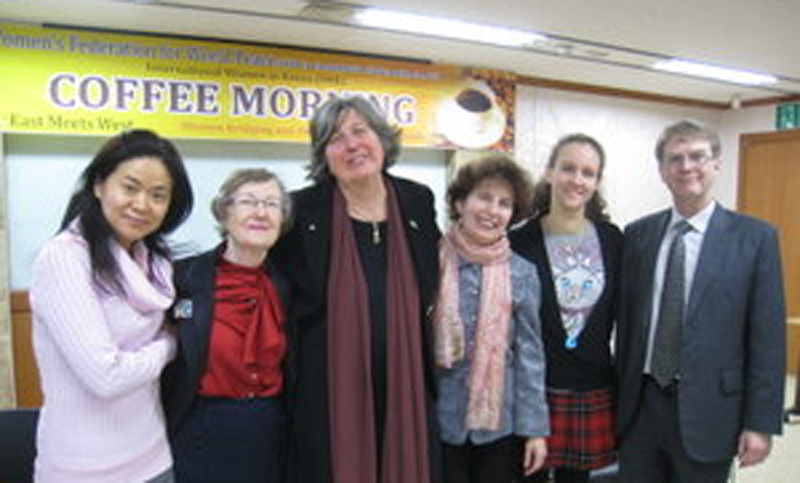
지난 1월 26일 오전, 외국인지부가 운영하는 Coffee Morning시간에는 서강대 에서 이탈리아 어와 이탈리아 사회 • 문화를 가르치고 있으며, 한국예술종합학교 및 이탈리아 문화원 강사로도 활동하고 있는 마리아 아도르노(Maria Adorno) 교수의 제안에 따라 그녀의 모국인 이탈리아에 대해 소개하는 시간을 가졌다. 모험심이 강한 아도르노 교수는 2008년 치열한 경쟁률을 뚫고 서울에 왔다. 부임 첫 해, 불과 수강생이 12명에 불과하던 그녀는 이제 자신이 개설한 4개 강좌에서 300명이 넘는 열정적인 학생들을 가르치고 있다.
이탈리아 중동부 지역, 아드리아 해 연안에 위치한 페스카라는 아도르노 교수의 고향이다. 그리고 이곳에서 북쪽으로 아드리드 해와 맞닿아 있는 라벤나 주 체르비아 시에 이야기의 초점을 맞추었다. 그녀의 표현을 빌리자면 체르비아는 백사장이 펼쳐진 해변과 천혜의 자연 환경을 갖춘 “인간을 위한 장소”이다. 파워포인트에 나타난 수 많은 사진들은 특히 시내 중심부에서 조금 떨어진 교외의 아름다운 경치와 나무에 둘러싸인 집들의 모습은 무척 아름다웠다. 이러한 풍경은 영국의 도시계획의 창시자라 불리며 1898년 (Garden Cities of Tomorrow)라는 책을 저술한 에베네저 하워드(Ebenezer Howard)의 구상인, 옛 마을과 전통적인 시골을 적절히 조화시키려는 이상을 추구한 결과이다.
한국이 평화로운 공원보다는 많은 차들로 넘쳐나는데 비해, 체르비아는 해안 곳곳에 자리한, 보다 자연적이고 비계획적인 공원에서 즐거움을 만끽한다. 생태관광은 체르비아의 장점 중 하나로, 유럽에서 가장 큰 규모라 손꼽히는 흑송림은 이 지역의 자랑거리이며, 현재 철저히 보호되고 있다. 사실 이 도시의 이름은 예전에 이 광활한 자연 보호 지역에서 서식하던 많은 사슴(이탈리아어로 Cervo라 함)에서 유래되었다. 체르비아의 흑송림처럼 한국에도 인천 근교에 넒은 흑송(해송)림이 있으며, 이곳 또한 생태학적으로 중요한 지역으로 보호받고 있다.
그러나 더욱 눈에 띄게 비슷한 점은 광활한 규모의 염전이다. 방문객들은 자연 건조된 이 특별한 “달콤한 소금(sale dolce)” 수확을 직접 체험할 수도 있다. 체르비아에는 이 사업의 역사를 보여주는 흥미로운 소금 박물관이 있다. 또 체르비아의 스파는 소금을 활용해 관광객들의 다양한 치료를 도움으로써 큰 성공을 거두었다.
체르비아의 솔트 플랫과 마찬가지로 한국에도 특히 염전으로 잘 알려진 지역이 있다. 바로 전라남도 증도로 태평염전으로 유명한 곳이다. 체르비아처럼 한국의 염전 방문객들도 직접 소금 수확을 체험할 수 있으며, 태평 소금박물관에서 소금 산업의 역사에 대해 배울 수 있다. 사진으로의 이탈리아 여행을 포함한 “아름다운 이미지의 향연”을 마친 후, 아도르노 교수는 자신의 고향인 페스카라를 소개하고, 서울과 한국의 다른 지역들을 비교했다. 서울과 마찬가지로 그녀의 고향은 2차 세계대전으로 폐허가 되다시피 했다. 철교, 공중 실외 시설에서 빨래를 하는 여인들, 들판의 황소, 낚싯배, 수를 놓고 있는 전통 의상을 입은 여성들, 그리고 머리에 항아리를 이고 가는 여인들 같은 좀 더 평화롭고 행복한 모습의 사진들이 스크린 가득 펼쳐져 전근대 시절 한국과 이탈리아의 유사한 생활상을 보여주었다.
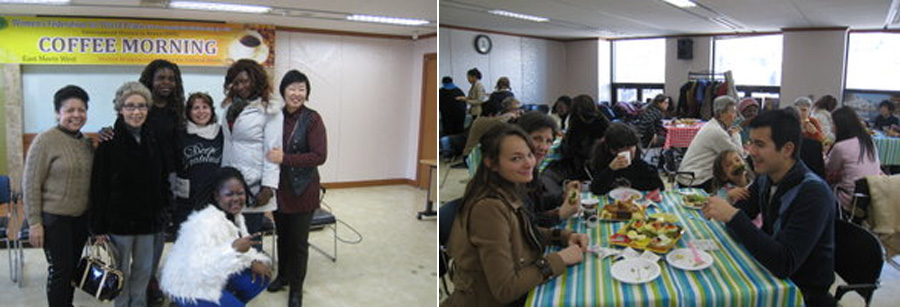
International Women in Korea (IWK)_Coffee Morning report
On January 26, IWK branch’s Coffee Morning invited Professor Maria Adorno, instructor of Italian and of Italian Culture and Society at Sogang University and lecturer at the Korean National University of Art and at the Italian Cultural Institute in Seoul, by her proposal that she can introduce about her native Italy.
An extremely adventurous lady, Prof. Adorno arrived in Seoul in 2008, after winning a highly competitive exam. Beginning with only 12 students in that year, she now has more than 300 enthusiastic students in the four classes she teaches.
Pescara, in the central eastern part of Italy on the Adriatic coast, is Prof. Adorno’s hometown, and she chose to focus her talk on the city of Cervia, in the province of Ravenna, to the north of her hometown and also on the Adriatic. Cervia, she stated, is a “place for people”, with its white sand beaches and special natural environment, and the Powerpoint showed many photos.
Especially beautiful were all the houses surrounded by trees and a lovely landscape at a little distance from the city center. This landscaping followed the ideal of blending the traditional countryside with the traditional town, the idea of one of England’s first urban planners, Ebenezer Howard, who published his book, Garden Cities of Tomorrow, in 1898.
Whereas Korea has many more cars than peaceful parks, Cervia delights in its more natural, less planned public parks located all up and down the oceanfront. Eco-tourism is one of Cervia’s strong points, and the city boasts one of the last huge black pine forests in Europe, which is now carefully preserved. The origin of this town’s name, in fact, comes from the large number of deer (“cervo”) that formerly inhabited this huge nature reserve. Like Cervia’s forest of black pine, Korea also is home to a large forest of black pine trees, the Haesong Forest, near Incheon, also protected due to its ecological importance.
A more striking similarity between Korea and Italy, however, is the presence of a huge area of salt farms, In Cervia.
Visitors can have a hands-on experience harvesting this special “sweet salt” (“sale dolce”) which is naturally dried. There is also an intriguing Salt Museum in Cervia which shows the history of this enterprise. And a spa in Cervia has had great success in helping its guests by using this salt in all of their treatments.
Like Cervia’s salt flats, one place in Korea is especially well-known for its salt farms. As in Cervia, visitors to Korea’s salt farm can have a hands-on experience of harvesting salt and can also learn about the history of the salt industry at the Taepyeong salt museum.
After a “symphony of beautiful images”, which included a tour of Italy in photos, Prof. Adorno introduced her hometown of Pescara, and contrasted it with Seoul and other parts of Korea. Like Seoul, her hometown was destroyed during World War II. Happier images of iron bridges, ladies washing clothes at a public outdoor facility, oxen in the fields, fishing boats, women in traditional costume doing embroidery and ladies carrying water jars on their heads were juxtaposed on the screen to show similarities in the pre-modern lifestyle of Italy and Korea.


댓글 0개
댓글을 작성하려면 로그인이 필요합니다.